
For those exploring options for Lipedema Self-Management, understanding the condition is the first step.
Lipedema, often misidentified as standard obesity or lymphedema, stands apart as a chronic disorder. It’s marked by a symmetrical buildup of adipose tissue (fat) primarily in the legs, and at times, the arms. Contrary to general assumptions, this buildup isn’t merely due to excessive caloric intake but results from an atypical accumulation of fat cells. Consequently, standard weight loss measures often prove futile against Lipedema.
Common symptoms of Lipedema include:
- Pain or tenderness in the impacted zones
- Proneness to easy bruising
- Swelling or fluid retention
- A sensation of weightiness or constriction in the limbs
- Challenges in shedding weight from affected regions despite rigorous dieting
Patients with Lipedema frequently grapple with challenges beyond physical symptoms. They often face misdiagnoses, societal misconceptions about their condition, and emotional struggles like body image issues and depression.
About Lymphedema Pumps
Lymphedema Pumps, also known as pneumatic compression devices, are therapeutic tools specifically designed to help manage and treat conditions like Lipedema and Lymphedema. These devices aim to stimulate the flow of lymph fluid, thereby reducing swelling and associated symptoms.
Here’s how they work:
- The pump consists of a machine that inflates a garment worn over the affected limb.
- Sequential chambers in the garment inflate and deflate, mimicking the natural pumping action of the lymphatic system.
- This action helps move the stagnant lymph fluid out of the affected area, reducing swelling and promoting the body’s natural healing processes.
Through this mechanism, Lymphedema Pumps serve as an aid in self-managing Lipedema, offering relief and improving patients’ overall quality of life.
Advantages of Using Lymphedema Pumps for Lipedema Self-Management
Lipedema, with its characteristic swelling and pain, can be a challenging condition to manage. Introducing Lymphedema Pumps into a routine can offer several key advantages in addressing Lipedema’s symptoms and improving overall well-being.
- Easing Pain and Swelling
One of the immediate benefits of using a Lymphedema Pump is the relief from the discomfort and pain Lipedema often brings. By promoting the movement of stagnant lymph fluid, these pumps help reduce swelling, which in turn alleviates the associated pain and tightness. - Promoting Circulation and Reducing Fluid Build-Up
Lymphedema Pumps are designed to stimulate the body’s natural lymphatic process. Their sequential compression action imitates the lymphatic system’s rhythmic movement, which assists in mobilizing trapped fluid. This not only aids in reducing the build-up but also encourages healthier circulation in the affected limbs. - Providing More Control in Self-Management
For those with Lipedema, feeling a sense of control over their condition is paramount. Lymphedema Pumps provide an effective, at-home treatment option. This allows patients to actively engage in their care, integrating pump sessions into their daily routine, and tailoring treatment to their unique needs and schedules.
How to Choose the Right Lymphedema Pump
Shopping for Lymphedema Pumps can be a daunting task with the array of options available. However, when equipped with the right knowledge, finding the perfect fit for your Lipedema management becomes an achievable endeavor.
- Features to Consider
Not all Lymphedema Pumps are created equal. It’s vital to prioritize certain features when making your selection.- Sequential Compression: Ensure the pump offers sequential compression, simulating the body’s natural lymphatic flow.
- Number of Chambers: Pumps with multiple chambers provide better gradient compression, which is more effective for fluid movement.
- Programmability: A pump with customizable pressure settings allows for a more personalized treatment.
- Importance of Adjustable Settings and Fit
The effectiveness of a Lymphedema Pump is largely dependent on its fit and adjustability:- Customizable Pressure Settings: Everyone’s body is unique. A pump that allows you to adjust pressure levels ensures that you get the most effective and comfortable treatment.
- Fit: A proper fit is paramount. Ensure the sleeves or cuffs of the pump snugly fit your limb to deliver optimal compression.
- Recommendations for Daily Usage
Consistency is key in managing Lipedema with a Lymphedema pump.- Frequency: Most healthcare professionals recommend using the pump daily for optimal results.
- Duration: While the duration can vary based on individual needs, a common recommendation is sessions lasting between 30 minutes to an hour.
- Regular Maintenance: Ensure you keep the pump and its components clean and routinely inspect them for signs of wear.
Integrating Lymphedema Pumps into Lipedema Self- Management
Managing Lipedema is a multi-faceted approach that often requires a combination of treatments and lifestyle changes. The integration of Lymphedema Pumps has proven to be transformative for many patients, offering an effective means of self-management.
But how does this fit into the broader spectrum of Lipedema care?
Combining Pumps with Other Treatments
- Manual Lymphatic Drainage
While Lymphedema Pumps actively promote fluid movement, manual lymphatic drainage (MLD) is a specialized massage technique that enhances fluid circulation. Using both in tandem can offer comprehensive lymphatic relief. - Compression Garments
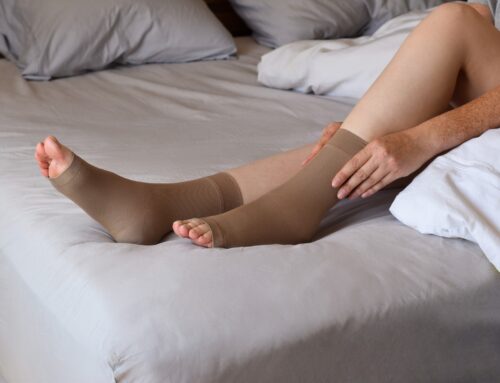
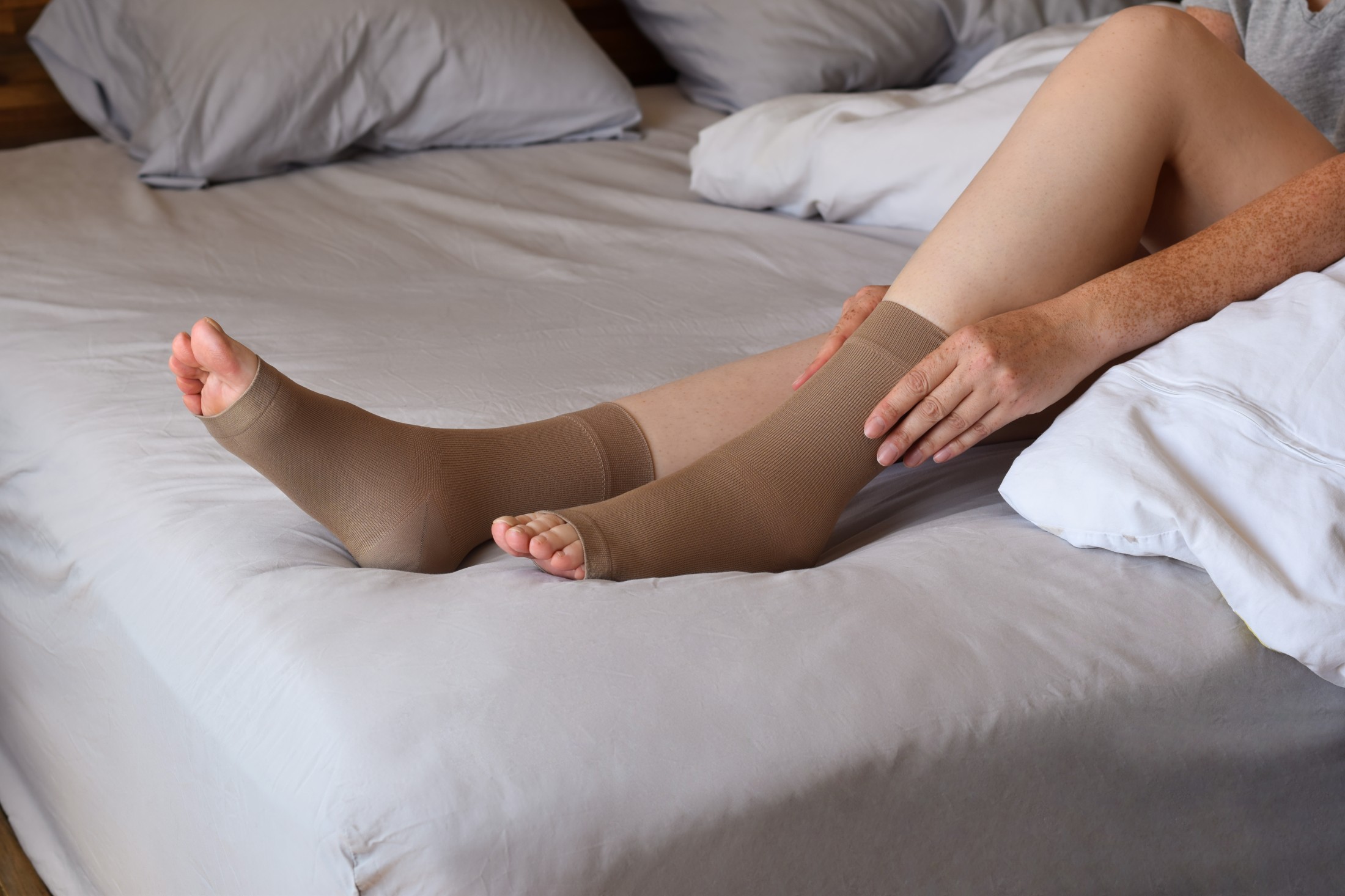
Wearing compression garments post-pump sessions can help maintain the reduced swelling and provide continuous support throughout the day.
Exercise and Diet: While the pump aids in reducing fluid build-up, adopting a lymphatic-friendly diet and engaging in low-impact exercises like swimming or walking can further support lymphatic function and overall health.
Tips and Precautions
Managing Lipedema with Lymphedema Pumps requires a mix of diligence, awareness, and adherence to certain best practices. While these pumps can be incredibly beneficial, it’s important to know how to use them effectively and when to seek expert advice.
Best Practices for Using a Lymphedema Pump
- Start Slow
Especially if you’re new to the pump, begin with shorter sessions and gradually increase the duration as your comfort level rises. - Consistent Positioning
Ensure that the limb being treated is positioned correctly, as indicated in the device’s user manual. Proper positioning maximizes effectiveness. - Cleanliness Counts
Before and after each session, ensure the limb is clean. Regularly clean the pump and its components according to the manufacturer’s instructions. - Stay Hydrated
Drinking water can assist the lymphatic system in flushing out toxins and help enhance the effects of the pump.
Signs to Reach Out to a Healthcare Professional
- Increased Pain or Discomfort
While some pressure is expected, if you experience sharp pain or significant discomfort, it’s a signal to stop the session and consult a professional. - Excessive Swelling
If you notice an increase in swelling post-session, or it doesn’t subside, it’s worth discussing with a healthcare provider. - Skin Changes
Any rash, discoloration, or unexpected skin changes in the treated area warrants professional advice. - Device Malfunctions
If you suspect that your pump isn’t working correctly, refrain from using it and seek guidance on its operation or potential replacement.
Although using a Compression Pump for managing Lipedema can help, but like all medical devices, its effectiveness is coupled with its correct and informed use. Regularly checking in with healthcare professionals and being proactive about any concerns ensures that you’re getting the most out of the treatment while prioritizing safety.

Other Recommended Practices and Therapies to Consider:
- Manual Lymphatic Drainage
This therapeutic massage technique aids in the drainage of lymph, complementing the action of Lymphedema Pumps. - Compression Garments
Wearing compression garments can help maintain the limb’s shape and prevent fluid accumulation. - Diet and Nutrition
Adopting an anti-inflammatory diet can assist in reducing symptoms and improving overall health. - Exercise
Gentle exercises like swimming or walking can improve circulation and lymphatic flow, enhancing the effects of other treatments.
Comprehensive Lipedema Management
Managing lipedema usually isn’t about relying on a single treatment. Instead, it often involves a combination of supportive therapies that work together to improve comfort, mobility, and day-to-day quality of life. While compression pump therapy can help, it’s most effective when used as part of a broader, well-rounded care plan.
Lipedema can affect more than just the limbs, it can influence energy levels, confidence, and overall well-being. Taking a comprehensive approach means addressing physical symptoms while also recognizing the emotional and practical challenges that come with managing a long-term condition. With the right support in place, many people are better able to manage symptoms and maintain a sense of balance and control over their care.
Share This Story, Choose Your Platform!
Table of Contents

We specialize in orthotics, body braces, and compression wear tailored to your unique needs in Toronto. Reach out to us at info@caremed.care or call 416-782-5353 to book your fitting and consultation.
Experience the difference of customized solutions designed just for you.