
Most people put on their shoes the same way they brush their teeth or grab their keys, automatically, without much thought. As long as they don’t pinch or rub, shoes are often assumed to be “good enough,” even if they’ve been worn the same way for years.
Discomfort, however, rarely shows up all at once. Foot fatigue, aching knees, tight hips, or lower back soreness tend to develop gradually and are often blamed on aging, long days, or an especially active week. What’s easy to miss is that footwear plays a quiet but important part in how the body absorbs impact, maintains balance, and moves through everyday life.
How Shoes Quietly Influence the Way We Move
The feet are the body’s foundation. Every step sends force upward through the ankles, knees, hips, and spine, and shoes influence how that force is absorbed and distributed. When footwear provides stable support and allows the foot to move naturally, the body can stay better aligned during walking and standing.
Problems tend to arise when shoes interfere with that process. Insufficient support, poor fit, or uneven wear can subtly change how someone walks without them noticing. Over time, those small adjustments can place extra strain on joints and muscles that were never meant to compensate. Because these changes happen gradually, discomfort is often felt far from the feet, making the connection easy to overlook.
This is why footwear can influence comfort even for people who don’t feel especially active. Everyday walking, commuting, standing, and household activity add up, and the right shoes can help limit unnecessary strain long before pain becomes part of the routine.
Who Is Most Likely to Be Affected by Unsupportive Shoes
Footwear issues don’t only affect people with existing foot conditions. Many people experience discomfort simply because their daily activities place repeated stress on the same areas of the body. Shoes that lack proper support or fit can make that stress harder to manage over time.
People who spend long hours standing or walking are often the first to notice fatigue or soreness in their feet and legs. Those who walk frequently, work on hard surfaces, or remain on their feet for extended periods may also be more affected, even if their shoes feel comfortable at first. Changes in foot shape, balance, or mobility over time can further increase sensitivity to footwear choices.
Discomfort can also appear in people who have never had a foot injury. Gradual aches in the knees, hips, or lower back are sometimes linked to how the feet are supported throughout the day. Because these changes happen slowly, it’s easy to adjust to discomfort without realizing that shoes may be contributing to the problem.
How Men’s and Women’s Footwear Needs Can Differ
Although many shoes are designed to look similar, men and women often have different footwear needs. Differences in foot shape, width, and walking patterns can affect how shoes fit and how well they support the body. When these differences aren’t considered, shoes may feel acceptable at first but become uncomfortable over time.
Women’s footwear is more likely to have a narrower fit, less structural support, or design features that prioritize appearance over stability. Men’s shoes, while often more rigid, may not always accommodate changes in foot shape or provide adequate cushioning for long periods of standing or walking. In both cases, style-driven design can limit how well a shoe supports natural movement.
The most important factor isn’t whether a shoe is marketed toward men or women, but how well it fits the individual foot. Proper support, enough room for natural movement, and stability through the midfoot and heel can make a noticeable difference in comfort, regardless of gender.
Why Winter Footwear Often Creates Hidden Foot Problems
Winter footwear is designed to handle cold temperatures, snow, and slippery conditions, but those priorities can sometimes come at the expense of comfort and support. Heavier materials, stiffer soles, and bulky insulation can limit natural foot movement and change the way people walk, especially on uneven or icy surfaces.
Boots that feel warm and secure may still lack proper cushioning or stability, causing the body to compensate with each step. Over time, these subtle adjustments can place extra strain on the feet and lower joints. Reduced flexibility in winter shoes can also affect how shock is absorbed, increasing fatigue during longer periods of walking or standing.
Because winter footwear is often worn daily for several months, small issues can add up quickly. Discomfort that appears in the feet, knees, hips, or back during colder months is sometimes linked less to the weather itself and more to how winter shoes interact with the body’s natural movement patterns.
How Shoes Can Contribute to Knee, Hip, and Back Discomfort
When footwear doesn’t provide adequate support, the effects are rarely limited to the feet. Shoes influence alignment from the ground up, and even small changes in how the foot moves can affect the knees, hips, and lower back over time.
Lack of stability or uneven support can cause the body to compensate during walking or standing. Knees may absorb extra stress, hips may shift to maintain balance, and the lower back may work harder to support posture. Because these adjustments happen gradually, discomfort often develops slowly and may not seem connected to footwear at first.
Pain is also not always felt where the problem begins. Someone may notice soreness in their back or hips without realizing that the root cause starts with how their feet are supported throughout the day. Addressing footwear can help reduce unnecessary strain and support more natural movement across the entire body.
What to Look for in Supportive Footwear
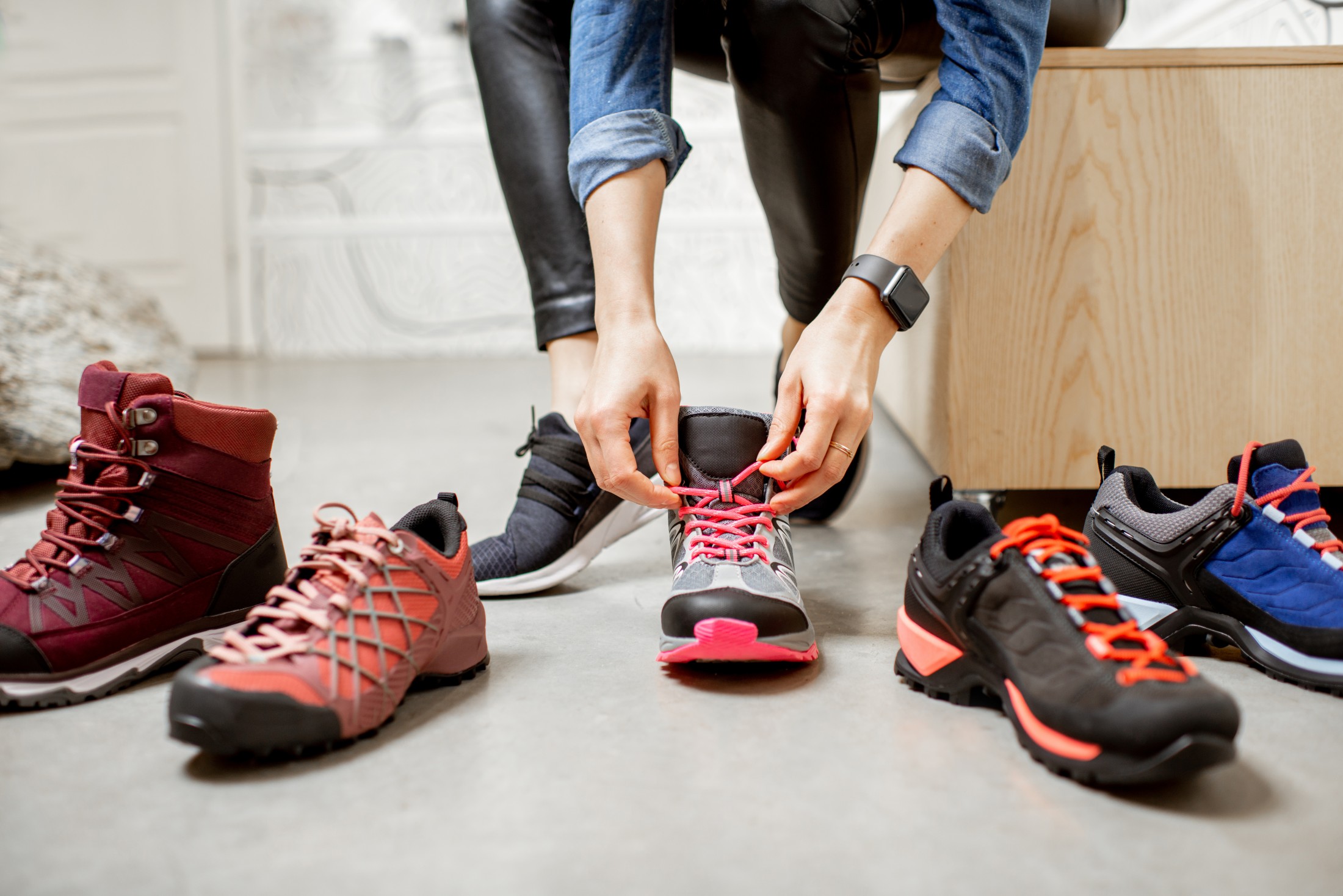
Supportive footwear doesn’t have to feel stiff or overly structured, but it should work with the natural movement of the foot. A proper fit is essential, including enough room in the toe area to allow the foot to spread naturally when walking. Shoes that are too narrow or restrictive can contribute to fatigue and discomfort, even if they feel fine initially.
Stability through the heel and midfoot helps the foot stay aligned during everyday movement. Cushioning should absorb impact without feeling overly soft or unstable, as too much compression can reduce support over time. Flexibility is also important, particularly at the front of the shoe, where the foot naturally bends during walking.
Comfort is important, but it isn’t the only factor to consider. Shoes that feel comfortable in the moment may not always provide the support needed for longer periods of standing or walking. Paying attention to fit, structure, and how shoes perform throughout the day can help reduce strain and improve overall comfort.
When a Foot Assessment May Be Worth Considering
Occasional discomfort can happen with almost any type of shoe, but ongoing or recurring pain is often a sign that something isn’t working as it should. If foot, knee, hip, or back discomfort keeps returning, or worsens throughout the day, footwear may be playing a role.
Changes in comfort between different pairs of shoes can also be a useful clue. If certain shoes consistently feel better while others lead to soreness or fatigue, it may indicate a mismatch between the footwear and the way the body moves. Uneven wear patterns on shoes, difficulty finding options that stay comfortable all day, or feeling more tired in the legs than expected are other signs that extra guidance may be helpful.
A foot assessment can help identify how foot mechanics, daily activity, and footwear interact. With that information, it becomes easier to make choices that reduce discomfort rather than simply living with it.

Matching Support to How Your Feet Move
Footwear affects more than just how shoes feel at the end of the day. The right support can help reduce strain, improve comfort, and make everyday movement feel easier over time. Because everyone’s feet, routines, and walking patterns are different, what works well for one person may not be the best option for another.
A footwear assessment can help match the right shoe to your specific foot mechanics and lifestyle. Through understanding how your feet move and where support is most needed, it becomes easier to make choices that support long-term comfort rather than simply managing discomfort when it appears.
Share This Story, Choose Your Platform!
Table of Contents
- Most People Don’t Think About Their Footwear Until Something Hurts
- How Shoes Quietly Influence the Way We Move
- Who Is Most Likely to Be Affected by Unsupportive Shoes
- How Men’s and Women’s Footwear Needs Can Differ
- Why Winter Footwear Often Creates Hidden Foot Problems
- How Shoes Can Contribute to Knee, Hip, and Back Discomfort
- What to Look for in Supportive Footwear
- When a Foot Assessment May Be Worth Considering
- Matching Support to How Your Feet Move

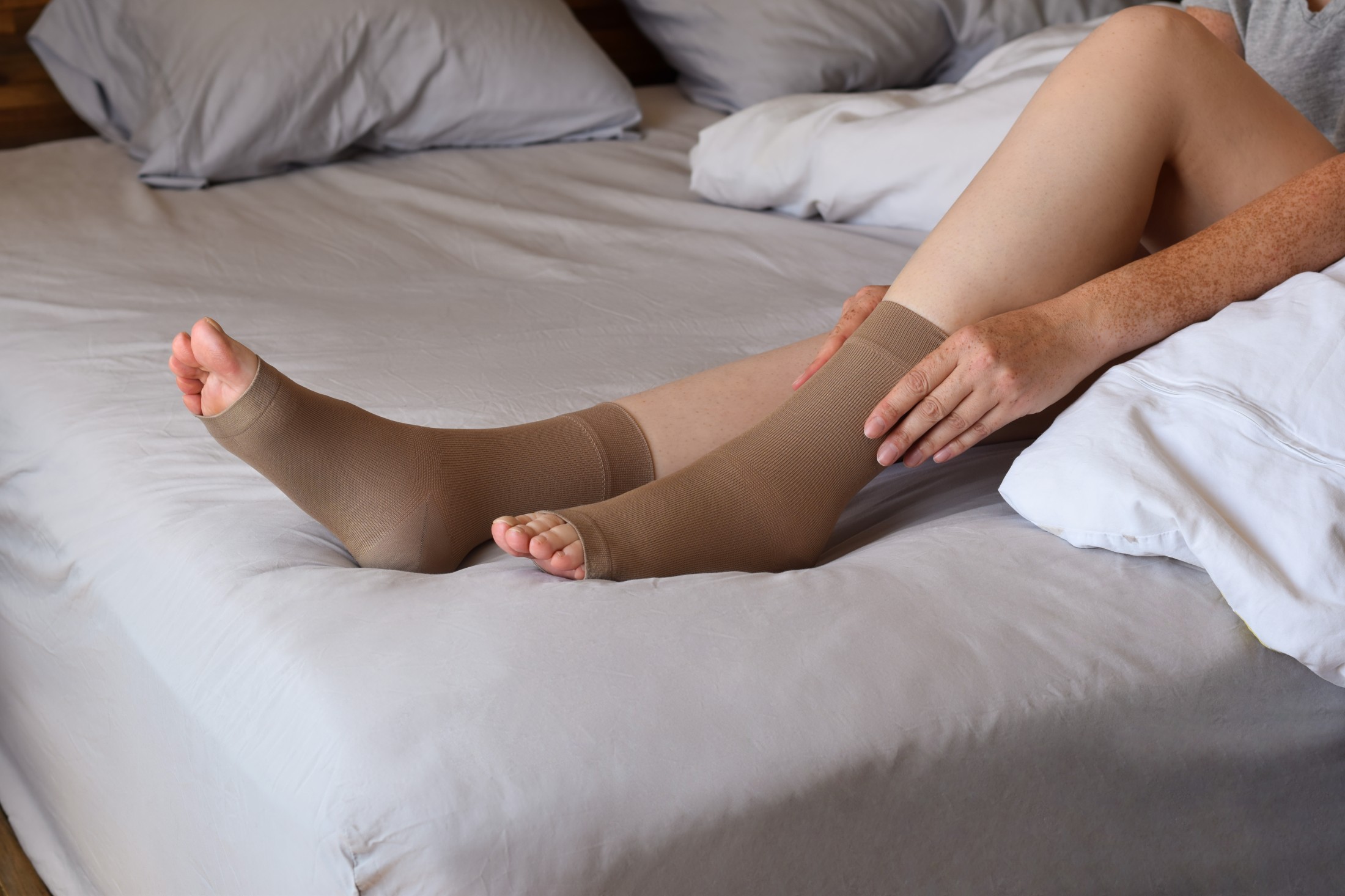

We specialize in orthotics, body braces, and compression wear tailored to your unique needs in Toronto. Reach out to us at info@caremed.care or call 416-782-5353 to book your fitting and consultation.
Experience the difference of customized solutions designed just for you.