
Winter often brings more than snow and colder temperatures, for many people, it also brings increased joint pain, swelling, and a general feeling of stiffness or heaviness in the body. It’s common to notice aches that weren’t there in warmer months, or symptoms that seem to return every winter without much explanation.
While some seasonal discomfort is normal, persistent pain, swelling, or circulation changes shouldn’t automatically be written off as “just winter”. Cold weather affects the body in specific ways, influencing circulation, movement, and how joints and muscles respond to daily activity. Understanding these changes can help explain why symptoms feel worse during the winter months.
By recognizing how winter impacts the body, it becomes easier to tell the difference between temporary cold-related discomfort and signs that extra support or assessment may be helpful.
How Cold Weather Affects Circulation
When temperatures drop, the body naturally works to conserve heat. One of the ways it does this is by narrowing blood vessels, particularly in the hands, feet, and extremities. This response helps protect vital organs, but it also reduces blood flow to areas that already tend to be more vulnerable in colder weather.
Reduced circulation can lead to symptoms such as cold hands and feet, stiffness, numbness, tingling, or a heavy feeling in the legs. Some people notice their joints feel less flexible, while others experience increased discomfort after sitting or standing for long periods. These changes often become more noticeable in winter, especially when combined with bulky footwear or less frequent movement.
Circulation can also be affected by lifestyle shifts during the colder months. Spending more time indoors, sitting for longer periods, and being less active overall can slow blood flow even further. While these changes may seem minor, they can add up, especially for individuals who already experience circulation challenges or leg fatigue.
Why Joint Pain Often Feels Worse in Winter
Many people notice their joints feel stiffer or more painful during the winter months, even if they don’t have ongoing joint issues the rest of the year. Cold temperatures can make muscles tighten and joints feel less flexible, which may increase discomfort during everyday movements like walking, climbing stairs, or standing for long periods.
Winter routines can also contribute to joint pain. Reduced activity levels, longer periods of sitting, and fewer opportunities for natural movement mean muscles may not provide the same level of support to the joints. When muscles aren’t working as efficiently, joints can absorb more strain, leading to aches that feel more noticeable in colder weather.
Winter shoes and boots often prioritize warmth and traction, sometimes at the expense of proper support or cushioning. Poorly supported feet can change the way the body moves, placing additional stress on the knees, hips, and lower back. Over time, this added strain may contribute to increased joint discomfort.
Although winter-related joint pain is common, ongoing or worsening symptoms can be a sign that joints are under more stress than they should be. Recognizing these patterns helps explain why joint pain often flares up during colder months, and why proper support becomes more important in winter.
Why Swelling Increases When Movement Decreases
Swelling often becomes more noticeable in winter, especially in the legs, ankles, and feet. This isn’t always caused by injury or inflammation, in many cases, it’s linked to changes in daily movement. During colder months, people tend to move less, sit longer, and spend more time indoors, all of which can affect how fluid circulates through the body.
Regular movement helps muscles push fluid back toward the heart. When movement decreases, that natural pumping action slows down, allowing fluid to collect in the lower extremities. By the end of the day, this can show up as tight shoes, sock marks on the skin, or a heavy, uncomfortable feeling in the legs.
Tight socks, heavy boots, or footwear without proper support may restrict movement or place added pressure on certain areas, making swelling feel worse. Cold temperatures may further reduce circulation, creating a cycle where fluid buildup becomes more noticeable over time.
Occasional swelling can be normal, but swelling that persists, worsens throughout the day, or returns consistently during winter may indicate that the body needs additional winter support to manage circulation and movement more effectively.
When Winter Symptoms Are More Than “Normal Cold Weather Aches”
It’s easy to assume that pain, stiffness, or swelling during winter is simply part of the season. Some discomfort is common in colder weather, but certain symptoms may signal that the body is under more strain than usual and could benefit from extra support.
Ongoing joint pain that interferes with daily activities, such as walking, standing, or sleeping comfortably, may be a sign that joints aren’t being adequately supported. Swelling that doesn’t improve overnight or gradually worsens throughout the day can also indicate circulation challenges rather than temporary cold-related discomfort.
Changes in sensation, such as numbness, tingling, or a persistent cold feeling in the hands or feet, shouldn’t be ignored. These symptoms can affect balance and mobility, increasing the risk of strain or falls during winter months. Fatigue or a heavy feeling in the legs may also suggest that circulation is working harder than it should.
Paying attention to how symptoms behave, when they appear, how long they last, and whether they improve with rest or warmth, can help determine whether winter discomfort is temporary or worth having assessed. Recognizing these patterns makes it easier to address issues early, before they begin to limit everyday routines.
How Supportive Options Can Help During Winter
During winter, a little extra support can go a long way in easing pain, swelling, and circulation changes. These options aren’t about “fixing” the body, they’re about helping it stay comfortable when cold weather and less movement put added strain on joints and muscles.
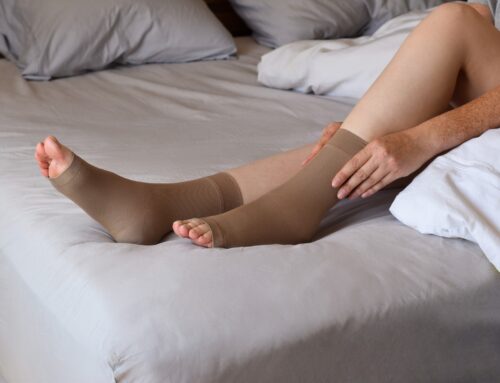
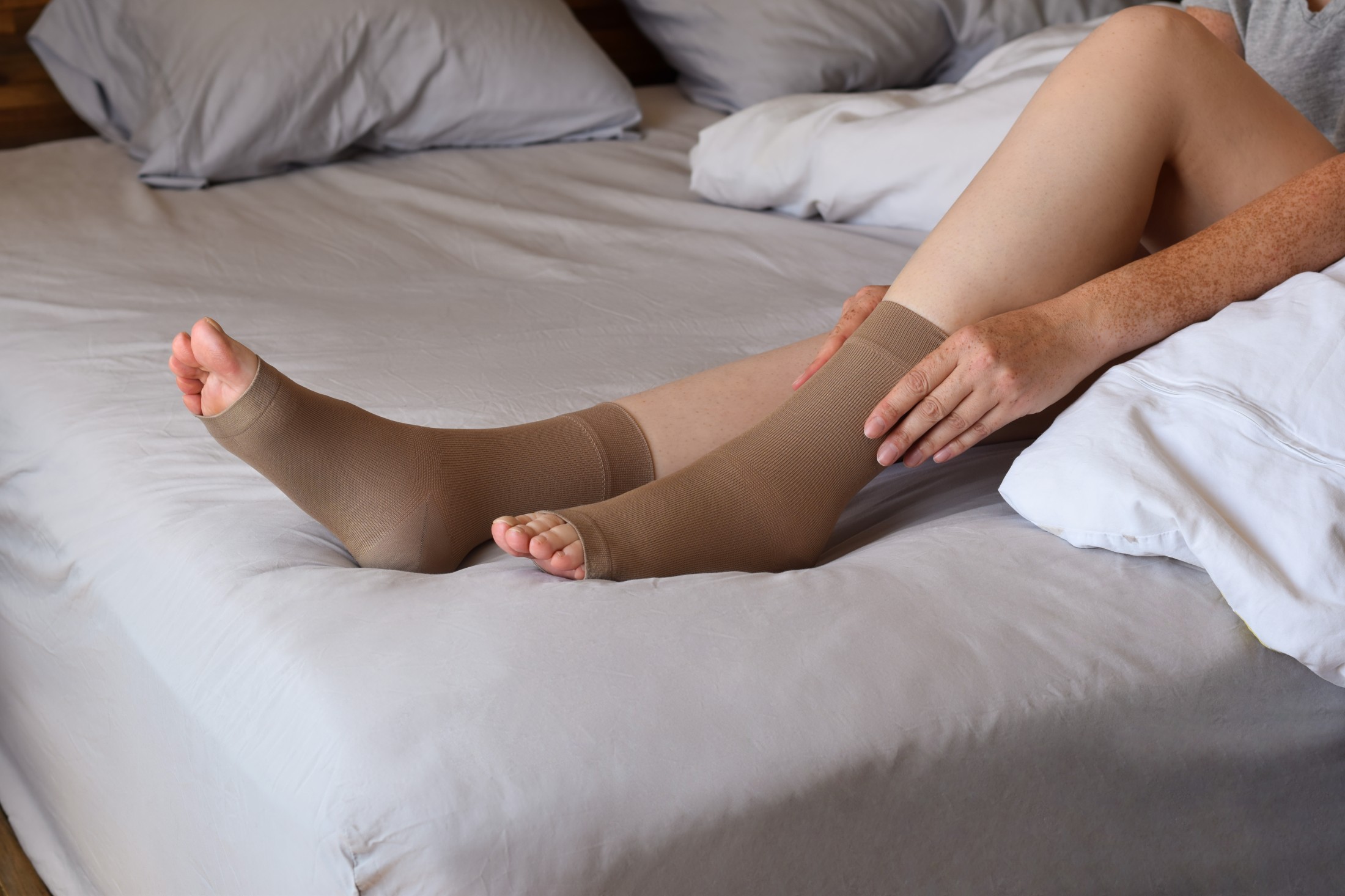
Compression garments can help support circulation by encouraging healthy blood flow and reducing fluid buildup in the legs. When properly fitted, compression wear may ease feelings of heaviness, fatigue, and swelling that tend to worsen in colder months. Fit and compression level are key, as poorly sized garments may be uncomfortable or ineffective.
Supportive footwear also becomes especially important in winter. Shoes that provide proper alignment, cushioning, and stability can reduce strain on the feet and joints, particularly when navigating icy sidewalks or wearing heavier boots. Proper support helps distribute pressure more evenly, which may reduce discomfort in the knees, hips, and lower back.
For some individuals, additional supports such as body braces or orthotics can help stabilize joints and improve movement patterns during winter. These options are most effective when selected based on individual needs, rather than trial and error, helping to reduce unnecessary strain during everyday activities.
When to Consider a Professional Assessment
Winter symptoms don’t always require immediate intervention, but there are times when an assessment can provide helpful clarity. If pain, swelling, or circulation changes are starting to interfere with daily routines, it may be worth having those symptoms evaluated rather than continuing to manage them on your own.
A professional assessment can help identify whether discomfort is related to footwear, joint support, circulation, or movement patterns. It also helps ensure that any supportive options, such as compression, orthotics, or braces, are appropriate for individual needs and used correctly.
You may want to consider an assessment if:
- Symptoms return every winter or worsen as the season progresses
- Pain or swelling limits walking, standing, or balance
- Discomfort affects sleep or daily comfort
- Current footwear or support no longer feels effective
- New symptoms appear without a clear cause
If winter symptoms are interfering with daily activities, a proper assessment can help identify supportive options and provide guidance tailored to your situation.

Listening to Your Body Through the Winter Months
Cold weather can put extra strain on the body, sometimes bringing aches or swelling that don’t show up in warmer seasons. While some winter discomfort is common, symptoms that keep returning or worsen over time are worth paying attention to.
Knowing why winter affects joints, circulation, and movement can help you make more informed choices instead of simply enduring the discomfort. Simple changes, supportive options, or an assessment can often make everyday movement easier and more comfortable.
Listening to your body during winter can go a long way in maintaining comfort and mobility through the colder months.
Share This Story, Choose Your Platform!
Table of Contents
- Why Cold Weather Makes Joint Pain, Swelling, and Circulation Worse
- How Cold Weather Affects Circulation
- Why Joint Pain Often Feels Worse in Winter
- Why Swelling Increases When Movement Decreases
- When Winter Symptoms Are More Than “Normal Cold Weather Aches”
- How Supportive Options Can Help During Winter
- When to Consider a Professional Assessment
- Listening to Your Body Through the Winter Months



We specialize in orthotics, body braces, and compression wear tailored to your unique needs in Toronto. Reach out to us at info@caremed.care or call 416-782-5353 to book your fitting and consultation.
Experience the difference of customized solutions designed just for you.