
When discomfort or swelling shows up, most people start with simple home remedies. Rest, ice, elevation, and over-the-counter supports are often a sensible first step, and in many cases, they work just fine. It’s reasonable to expect that with a little time, symptoms will settle and daily activities will feel normal again.
However, not all issues resolve on their own. When pain, swelling, or other symptoms keep returning, or when they begin to interfere with walking, standing, or balance, it may be a sign that home care alone are no longer addressing the full picture. In these situations, a closer look can help clarify what may be contributing to the ongoing discomfort and whether additional support could be beneficial.
Swelling That Does Not Fully Go Down
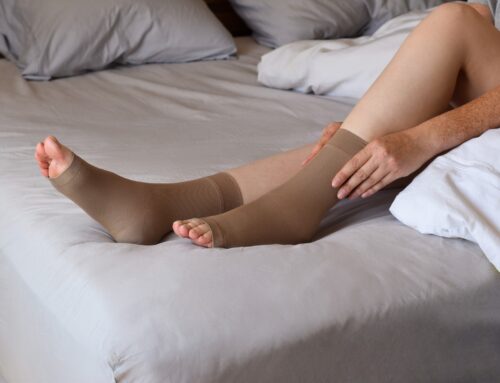
Swelling is often one of the first signs people notice, especially in the feet, ankles, or lower legs. After an injury or a long day on your feet, some swelling can be expected and may improve with rest, elevation, or ice. When swelling responds to these measures and fully resolves, it is usually less concerning.
However, swelling that never quite goes away, or that returns quickly after normal activity, may be worth paying attention to. Some people notice that swelling is minimal in the morning but increases throughout the day, while others experience one-sided swelling that feels persistent or unpredictable. Over time, this can affect comfort, footwear fit, and overall mobility.
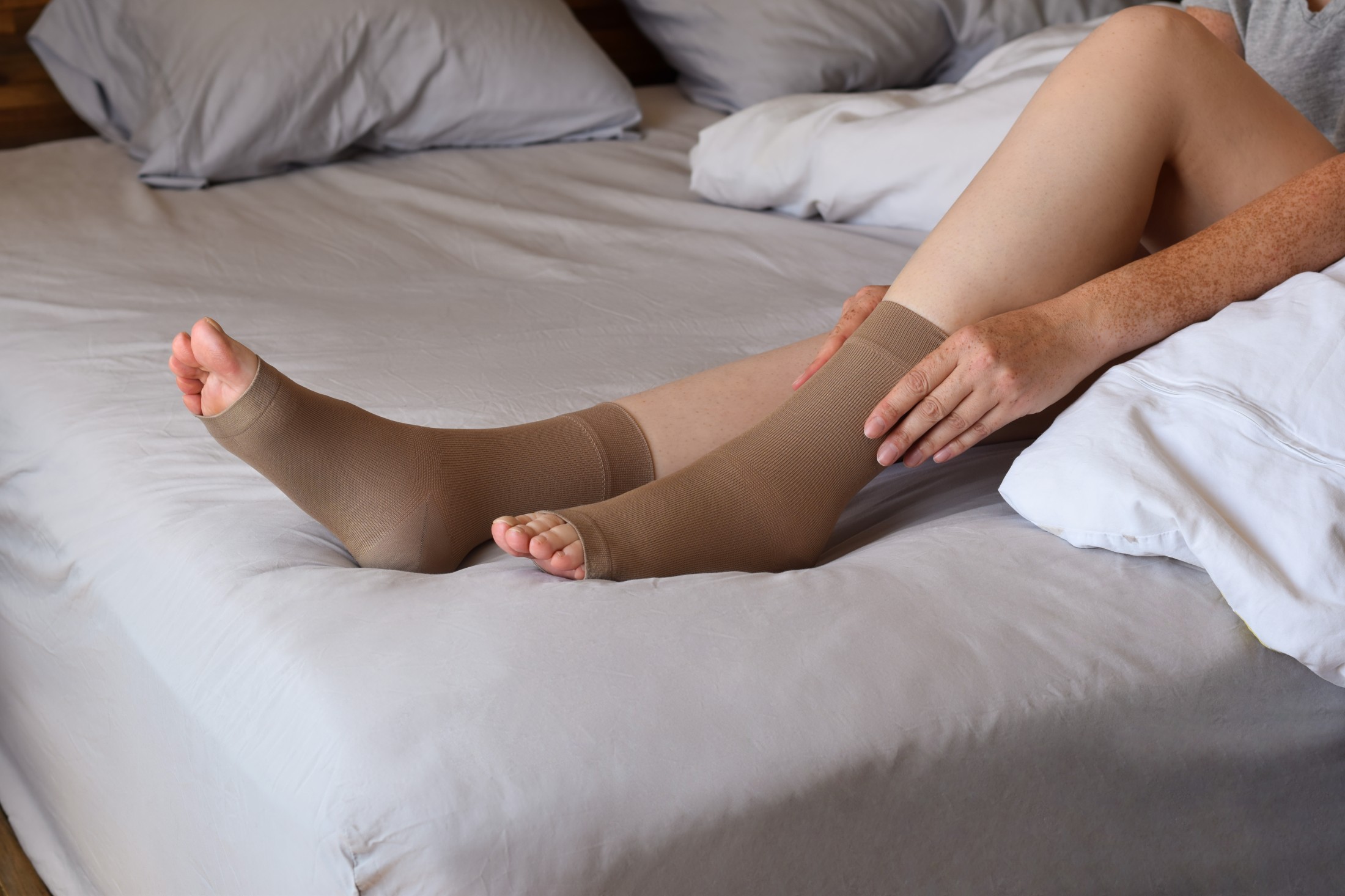
When swelling becomes a recurring issue rather than a temporary one, it may indicate that additional support or a more targeted approach is needed. An assessment can help determine what factors may be contributing and whether options such as compression or other supportive solutions could help manage it more effectively.
Pain That Keeps Returning After Rest
Occasional aches and soreness are a normal part of daily life, especially after physical activity or long periods of standing. Rest, stretching, and basic home remedies can often provide short-term relief, and many people assume that once the pain eases, the issue has resolved.
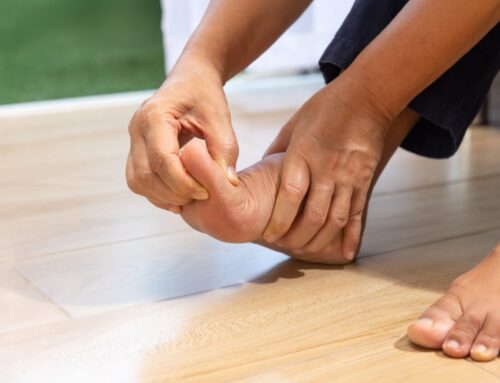
When pain consistently returns after rest, though, it may be a sign that something is not being adequately supported. This can show up as discomfort that improves overnight but flares up again with walking, work, or everyday movement. In some cases, the pain feels manageable but never fully clears, leading to a cycle of relief followed by recurrence.
Recurring pain can sometimes indicate that the underlying cause has not been addressed. Rather than continuing to rely on temporary relief, a professional assessment can help identify contributing factors and clarify whether targeted support options may provide more lasting comfort and stability.
Foot, Knee, or Back Pain Affecting Balance or Movement
Not all signs that something is off show up as sharp pain. Sometimes the changes are more subtle, such as feeling unsteady, adjusting how you walk, or avoiding certain movements without fully realizing it. Foot, knee, or back discomfort can quietly affect balance and posture over time.
People may notice they hesitate on stairs, shorten their stride, or shift weight to one side to stay comfortable. These small adjustments can place extra strain on other parts of the body, potentially leading to new areas of discomfort. What starts as localized pain can gradually impact overall movement.
When pain begins to influence balance or the way you move through daily activities, it may be helpful to look beyond short-term relief. An assessment can help identify alignment or support issues and determine whether options such as orthotics, supportive footwear, or braces may help restore stability and reduce unnecessary strain.
Numbness, Tingling, or Circulation Changes
Sensations such as numbness, tingling, or a feeling of heaviness are easy to dismiss, especially when they come and go. Many people assume these changes are temporary or related to posture, footwear, or fatigue, and try to manage them with rest or home remedies.
When these sensations become recurring or start lasting longer, they may be worth paying closer attention to. Changes in circulation can sometimes show up as cold feet, skin colour changes, or areas that feel less responsive than usual. While these symptoms are not always painful, they can affect comfort, balance, and overall confidence when moving.
If numbness, tingling, or circulation-related changes persist despite home remedies, an assessment can help clarify what may be contributing. Identifying the source of these symptoms can make it easier to determine whether compression, footwear adjustments, or other supportive options may be helpful.
Why Home Remedies Sometimes Stop Working
Home remedies are designed to manage symptoms, not always the factors causing them. Rest, ice, elevation, and basic supports can reduce discomfort temporarily, but they may not address issues related to movement patterns, alignment, or ongoing strain.
Over time, changes in activity level, footwear, or how the body compensates for discomfort can make symptoms more persistent. What once responded well to home care may start returning more frequently or with greater impact. In these cases, continuing the same approach may offer less relief than it once did.
When symptoms no longer improve with familiar strategies, it can be helpful to take a step back and reassess. A professional evaluation can help identify contributing factors and determine whether more targeted support may provide better, longer-lasting comfort.
How an Assessment Can Help
When symptoms persist or keep returning, an assessment can provide clarity that home remedies alone may not offer. Rather than focusing on quick fixes, a professional assessment looks at how the body is functioning as a whole, including movement patterns, alignment, and areas under repeated strain.
This process can help identify what may be contributing to ongoing discomfort and whether certain types of support could be beneficial. For some people, that may mean compression to help manage swelling, while others may benefit from orthotics, supportive footwear, or targeted bracing. Having guidance can reduce guesswork and help avoid trying multiple solutions without clear direction.

When to Consider a Professional Assessment
If rest and home remedies are no longer providing lasting relief, it may be time to take a closer look. Ongoing swelling, recurring pain, changes in balance, or sensations like numbness and tingling can all be signs that additional support may be helpful.
An assessment can clarify what’s happening, and what support options may help. Rather than continuing to manage symptoms through trial and error, a professional review can offer useful direction and peace of mind. Even small adjustments, when properly matched to individual needs, can make daily movement feel more comfortable and confident again.
Share This Story, Choose Your Platform!



We specialize in orthotics, body braces, and compression wear tailored to your unique needs in Toronto. Reach out to us at info@caremed.care or call 416-782-5353 to book your fitting and consultation.
Experience the difference of customized solutions designed just for you.