

Compression Pump Therapy
for Swelling & Circulation Support
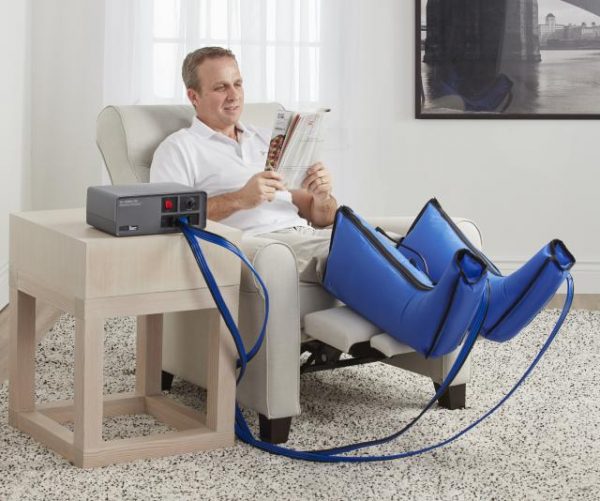
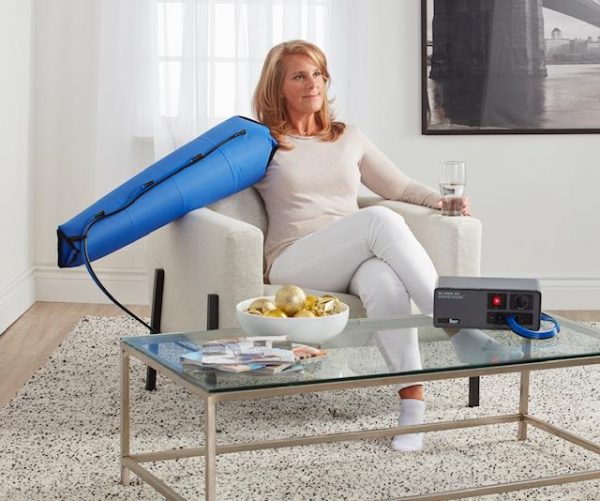
Compression pumps are commonly used to help manage chronic swelling and fluid buildup related to conditions such as lymphedema, venous insufficiency, and mobility-related edema.
Using gentle, rhythmic air pressure, these devices support the movement of excess fluid away from affected areas, helping the body process it more effectively. For many people, compression pumps can help reduce feelings of heaviness, improve comfort, and support day-to-day mobility.
At Care-Med, compression pumps are provided with professional guidance to support safe and appropriate home use. This includes assessment, device setup, and ongoing support, along with assistance navigating insurance documentation and coverage requirements when applicable.
Having support throughout both the selection process and ongoing use helps ensure the pump is used comfortably, confidently, and in a way that aligns with each individual’s needs.
Built for Comfort, Adjusted for You
Compression pumps are not one-size-fits-all. Factors such as limb size, swelling patterns, pressure tolerance, and daily routine all influence how a pump should be set up and used.
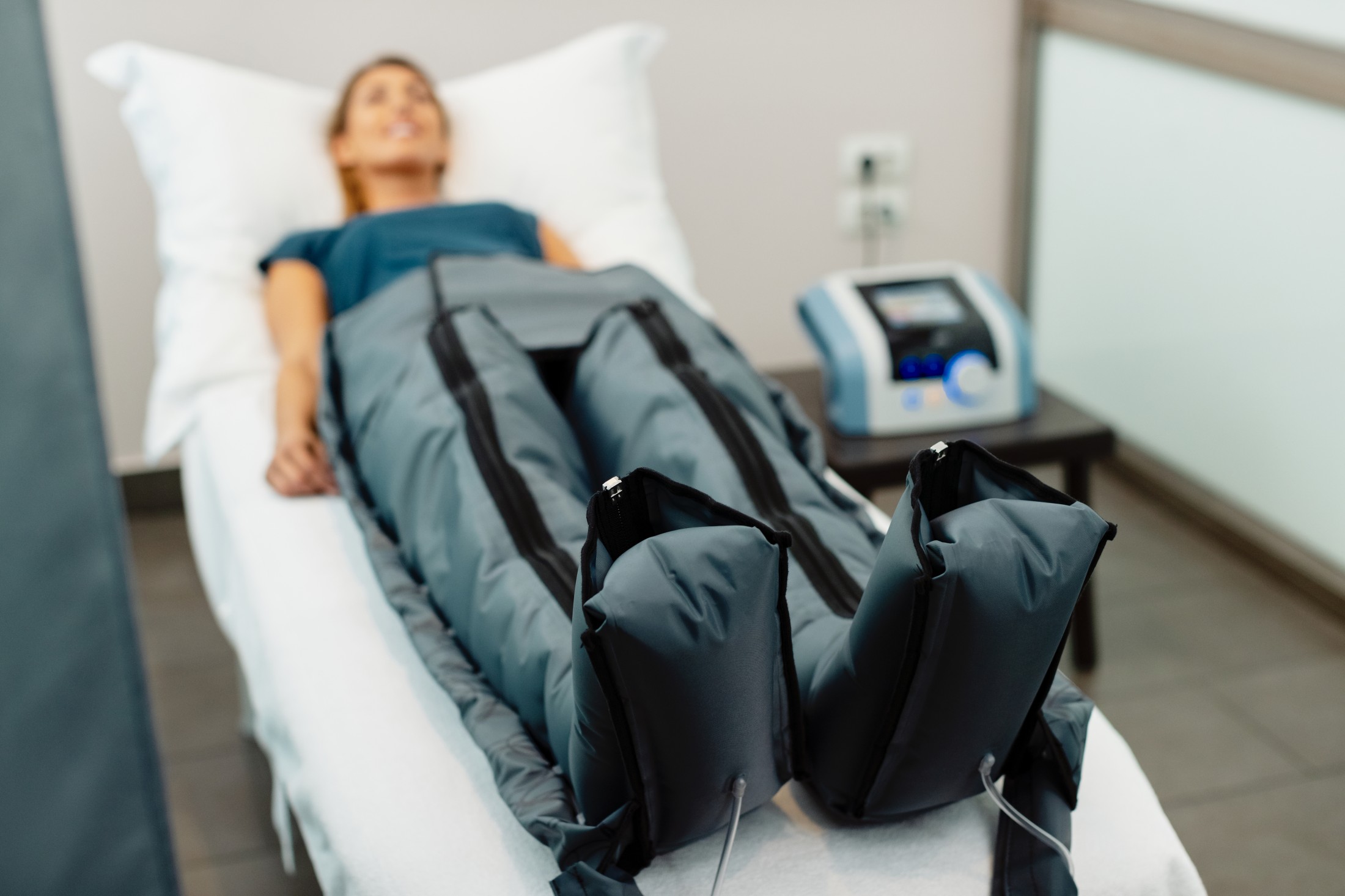
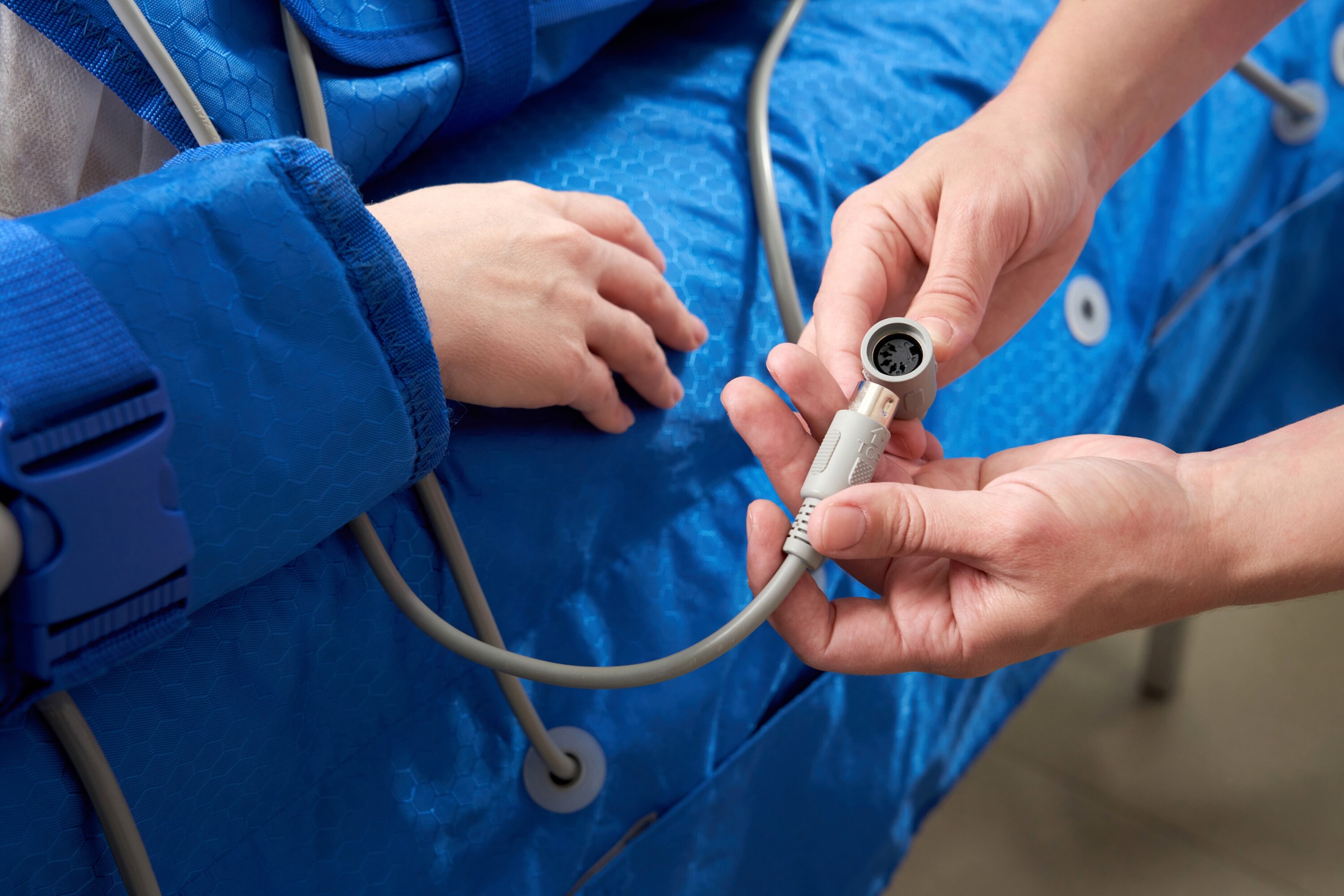
Intermittent Pneumatic Compression (IPC) systems are designed with adjustable pressure settings and segmented chambers that inflate in sequence, allowing the experience to be tailored rather than forceful. Proper sizing, setup, and adjustment help ensure the pump feels supportive rather than overwhelming, especially during regular home use.
Supporting Long-Term Management at Home
One of the advantages of compression pump therapy is its ability to support ongoing care at home. Many devices are designed to be quiet, comfortable, and easy to use in a familiar setting. With guidance from a care professional, pressure levels and treatment routines can be adjusted over time based on comfort, response, and progress.
For many people, integrating compression pump therapy into their routine offers more than physical relief. It can provide reassurance, confidence, and a greater sense of control when managing a long-term condition.
When used as part of a comprehensive care plan, compression pump therapy can play a meaningful role in improving comfort, mobility, and overall quality of life.

Compression pumps are provided with assessment, setup, and follow-up support. If a compression pump has been recommended for arm or leg swelling, we offer an in-office appointment to help you get started.

Serving the Toronto community since 2007. Approved by ADP, ODSP, and Veterans Affairs.
Who Compression Pumps Are Designed to Support
Compression pumps aren’t a one-size-fits-all option. They’re typically used with professional guidance to support specific situations where swelling, circulation challenges, or limited movement make daily comfort harder to manage.

Lymphedema Management
Supports the movement of trapped lymphatic fluid to help reduce swelling, heaviness, and discomfort in the arms or legs when used as part of a guided care plan.
Chronic Venous Insufficiency
Helps encourage healthy circulation when veins struggle to move blood efficiently, easing symptoms such as leg heaviness, fatigue, or pressure.
Post-Surgical or Post-Treatment Swelling
May support recovery by helping manage fluid buildup and swelling following certain medical procedures, under professional guidance.
Limited Mobility or Reduced Activity
Existing Compression Garment Users
Prolonged Sitting or Inactivity
When a Compression Pump May Not Be the Right Fit
Compression pumps aren’t appropriate for every type of swelling or discomfort. In some situations, using a pump without proper assessment or guidance may not be helpful and could lead to discomfort.
A compression pump may not be recommended when:
- Swelling that hasn’t been medically assessed
- Swelling is short-term or related to a recent injury
- Someone is looking for unsupervised or over-the-counter use
- Situations where no underlying diagnosis has been established
Taking time for an assessment helps ensure a compression pump is a safe and appropriate option for your needs.
Helping Your Lymphatic System
How Compression Pumps Work
Compression pumps deliver controlled pressure in gentle cycles, typically moving from the hand or foot upward. This pattern mimics the body’s natural muscle and lymphatic pumping action, encouraging fluid to move out of affected areas and supporting healthier circulation.
Over time, this can help reduce fluid retention and allow individuals to take a more active role in managing symptoms at home.
Compression pumps are often used as part of a broader care approach, alongside options such as compression garments, manual lymphatic drainage, and other supportive measures. Used together, these approaches can help improve comfort and reduce the day-to-day impact of chronic swelling and circulation-related conditions.

Personalized Assessment
We start by learning more about your swelling concerns and daily routine to help determine whether a compression pump is a good fit.

Pump Selection & Setup
We assist with pump selection, fitting, and setup, making sure everything feels comfortable and manageable at home.

Ongoing Support & Monitoring
We’re available for follow-up questions and adjustments to ensure the pump remains comfortable, effective, and aligned with your needs over time.

Pneumatic Compression Pumps
Monitoring Your Progress
Regular check-ins help ensure your compression wear is still doing its job. Swelling patterns, skin health, and circulation can shift, so what worked six months ago may no longer be ideal. A certified fitter can re-measure and adjust your prescription to keep you comfortable and supported.
Treatment Options
Compression Pumps & Manual Drainage
Many people managing chronic swelling also hear about Manual Lymphatic Drainage (MLD), a hands-on technique performed by a trained practitioner. While both compression pumps and manual drainage aim to support fluid movement, they work in different ways.
- Manual Drainage (MLD): A gentle, hands-on technique using light massage strokes to encourage lymphatic flow. MLD is typically provided in clinical or therapeutic settings by trained professionals.
- Compression Pumps: Use programmed air pressure cycles to support fluid movement in a consistent, repeatable way. Compression pumps are designed for guided home use and may be easier to integrate into daily routines.
In some cases, people choose to use a compression pump as part of their regular routine while incorporating manual drainage periodically for targeted support, based on professional guidance.

What Our Patients are Saying
I would highly recommend this place!! Alla & her team are extremely knowledgeable, helpful, accommodating, and professional. I have already seen so much improvement from my compression garments and am so grateful for all their help.
I wanted to thank Alla and her team for all their help. I have spent years trying to find practical solutions for the care of my lymphadema that work well for me. With the help of Alla and her team, the size of my legs have reduced drastically in a matter of months. I am grateful to them for providing me such valuable information that allowed me to navigate the medical system to be able to get the care that I need.
I have been going to Care Med since 2011 and have always had a positive experience. I have always received excellent customer service, and found the Care Med staff and owners to be friendly and helpful. I would definitely recommend them to all my friends, family and colleagues.
Alla at Care-Med has helped me through my recent bout of bad lymphedema. The last few years have been hard for everyone with COVID restrictions but Alla stayed open and was able to help me while keeping her office up to date with all health safety requirements and then some. She has always been kind and accommodating. I would recommend her to all needing her services.
Still Have Questions?
Below are some of the common questions people ask when exploring this treatment and what to expect along the way.
Insurance-Approved Provider for 19+ Years
Care-Med accepts all major Extended Health Care plans, ODSP, ADP, and Circle of Care. Clients trust us not just for coverage, but for the exceptional service that follows: we handle reorders, offer product warranties, and schedule follow-up appointments. With over 19 years of experience, we’ve never been audited, never been delisted, and are consistently rated as a top provider in our field.
Our reputation is built on reliability, attention to detail, and the long-term relationships we build.