
If your joints tend to feel stiffer, achier, or less cooperative once the temperature drops, you’re not imagining it. Many people notice changes in joint comfort during colder months, even if they don’t have a diagnosed joint condition. It’s a common experience, and it doesn’t only affect older adults or those living with arthritis.
Cold weather can influence the way our bodies move and feel in a few subtle ways. Lower temperatures may reduce circulation to the hands, feet, and joints, muscles can become less flexible, and joints often feel stiffer after periods of inactivity. Add in heavier clothing and shorter days spent moving around, and it’s easy to see why discomfort can creep in.
How Cold Temperatures Affect Joints and Movement
Cold weather can change how the body feels and moves in ways that aren’t always obvious. When temperatures drop, blood vessels tend to narrow slightly, which can reduce circulation to the extremities. For some people, this can lead to a feeling of stiffness or heaviness in the joints, particularly in areas like the hands, knees, ankles, and shoulders.
Muscles and connective tissues also respond to cold by becoming less flexible. When tissues are cooler, they may not stretch or glide as easily, making everyday movements feel more effortful. This is often most noticeable after sitting still for a while or first thing in the morning.
Joint fluid, which helps joints move smoothly, can also feel less effective in colder conditions. Combined with reduced movement during winter months, this can contribute to the sensation that joints are “creaky” or slow to warm up.
These changes don’t mean that something is wrong, and they don’t always indicate an underlying condition. They simply reflect how the body adapts to colder environments. Understanding these effects can help explain why extra support, warmth, and mindful movement often make a noticeable difference in joint comfort during the winter.
Why Extra Joint Support Can Help in Colder Months
When joints feel stiff or less comfortable in cold weather, it doesn’t mean they’re weak or failing. Often, they simply need a bit of extra help to move comfortably. Seasonal joint support is common, and many people use it temporarily during colder months, just as they might adjust footwear or clothing for the weather.
Supportive braces and garments can help by providing gentle stability and a sense of security during movement. When joints feel more stable, muscles often don’t have to work as hard to compensate, which can reduce strain and fatigue. Some forms of support also help retain warmth around the joint, which many people find eases stiffness and makes movement feel smoother.
Extra support can be especially helpful during everyday activities that become more demanding in winter, walking on uneven surfaces, carrying heavier outerwear, or spending longer periods sitting indoors. The goal isn’t to restrict movement, but to encourage comfortable, confident motion while respecting how the body responds to colder temperatures.
How Braces Support Joints in Cold Weather
Braces can help when joints feel less reliable or more uncomfortable in colder conditions. By offering targeted support, they help guide movement and reduce unnecessary strain, which can make everyday activities feel more manageable during winter months.
In cold weather, joints often feel stiffer at the start of movement. A well-fitted brace can provide gentle stability while the joint warms up, helping to ease that initial discomfort. Many people also find that braces offer a reassuring sense of support when walking outdoors, lifting objects, or performing repetitive tasks while wearing heavier clothing.
Another benefit is warmth. Braces can help retain heat around the joint, which may improve flexibility and comfort for some individuals. This can be especially noticeable in areas like the knees, wrists, hands, and shoulders, joints that tend to feel the effects of cold more quickly.
It’s important to note that braces are not meant to immobilize joints for everyday use. The goal is support, not restriction. When chosen and worn appropriately, braces can help people stay active and confident while respecting the body’s need for a little extra care in colder weather.
How Circulation Support Helps in Cold Conditions
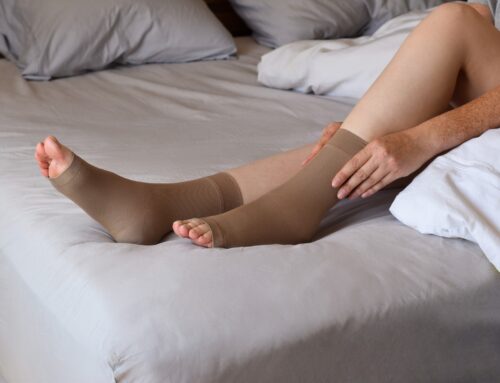
Alongside joint braces, graduated compression can offer another layer of support during colder months, particularly for the lower legs. Cold temperatures can make circulation feel sluggish, which may contribute to sensations like heaviness, swelling, or stiffness, especially when spending more time sitting indoors or standing for long periods.
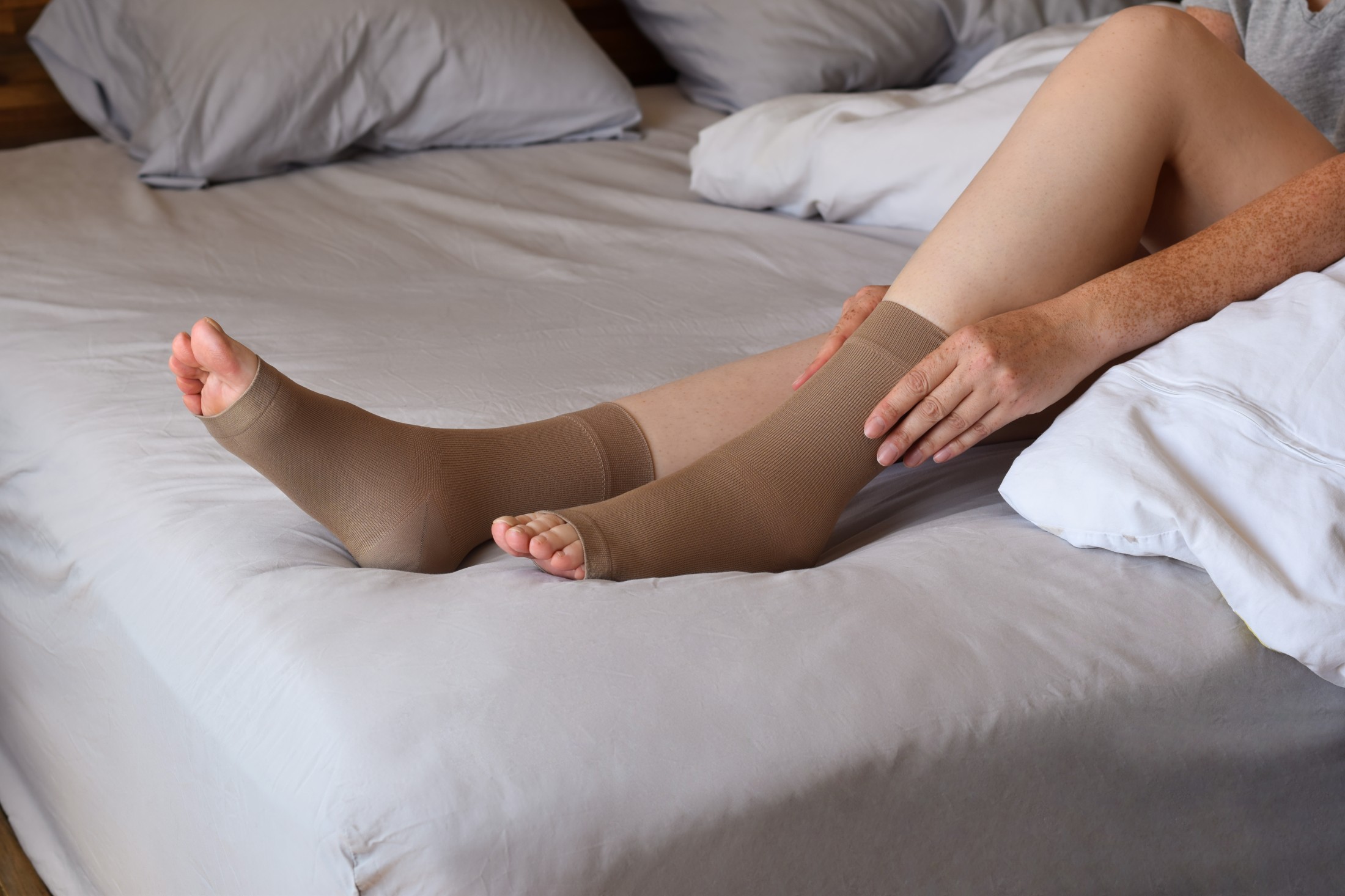
Graduated compression works by applying gentle, consistent pressure that is strongest at the ankle and gradually decreases up the leg. This design helps support healthy blood flow back toward the heart, which many people find improves overall leg comfort. In colder weather, when circulation naturally slows, this kind of support can feel especially helpful.
Many people use this type of support to manage everyday discomfort rather than a specific medical condition. It’s often worn during daily activities, long workdays, travel, or outdoor winter walks to help legs feel lighter and more comfortable as the day goes on.
As with any form of support, comfort and fit are important. The right level of compression should feel supportive without being restrictive, and what works well for one person may not be appropriate for another. Choosing the right option helps ensure that the support feels helpful, especially when layered with winter clothing and footwear.
Choosing The Support That Works With Your Body
When it comes to joint and circulation support, more isn’t always better. Wearing the wrong type of brace or the wrong level of compression can feel uncomfortable and may not provide the support you’re actually looking for, especially in colder weather, when layers and reduced movement can already affect how things fit.
Different joints have different needs, and those needs can also change with activity level, temperature, and how long support is worn. A knee that feels stiff on a cold morning walk may need something different than a wrist used for repetitive indoor tasks, or legs that feel heavy after hours of sitting.
Fit is also important. Support that’s too loose may offer little benefit, while support that’s too tight can restrict movement or reduce comfort. Cold-weather clothing can also change how braces and supportive garments feel throughout the day, making thoughtful selection even more important.
The goal is to support natural movement, not to limit it. Choosing support that matches your body, your activity, and the conditions you’re moving in helps ensure comfort and confidence, especially during winter months when joints may need a bit more consideration.
When a Little Guidance Can Help
Although many people try joint supports on their own, there are times when a bit of guidance can make a meaningful difference, especially in colder weather. If discomfort feels persistent, if swelling or stiffness seems to worsen in winter, or if you’re unsure what type of support feels right, it may be worth getting a second set of eyes on the situation.
Professional guidance can help clarify whether a brace, graduated compression, or another form of support is appropriate for your needs. It also helps ensure that fit, sizing, and level of support are suited to your body and how you move day to day. This is particularly important when cold weather layers, footwear, or reduced activity levels change how support feels throughout the day.
Seeking guidance doesn’t mean committing to long-term use or wearing support constantly. For many people, it’s simply a way to make informed choices, avoiding unnecessary discomfort and finding options that feel supportive rather than restrictive.
Ultimately, the goal is comfort, confidence, and ease of movement. A thoughtful approach can help ensure that the support you choose actually helps you stay active and comfortable through colder months.

Simple Winter Habits That Support Joint Comfort
Braces and supportive garments work best when paired with small, thoughtful habits that help joints stay comfortable in cold weather. These changes don’t need to be complicated, often, simple adjustments can make a noticeable difference.
Gentle movement throughout the day helps keep joints from stiffening, especially during colder months when it’s easy to stay still for longer periods. Short walks, light stretching, or changing positions regularly can help joints warm up and move more smoothly.
Keeping joints warm is another important factor. Dressing in layers, using gloves or warm socks, and protecting exposed joints from cold air can help maintain flexibility and comfort. Staying well-hydrated also supports joint health, even in winter when thirst cues may be less noticeable.
Listening to your body matters too. If certain activities feel more uncomfortable in cold conditions, pacing yourself or adding extra support during those times can help reduce strain. Combined with properly chosen support, these small habits can help make winter movement feel more manageable and less stressful on your joints.
Joint Support Through the Colder Months
Cold weather can change how our bodies feel, especially when it comes to joint comfort and movement. Stiffness, soreness, or a sense that joints need a little more care during winter is a common experience.
With the right approach, colder months don’t have to mean avoiding activity or pushing through discomfort. Thoughtfully chosen support, whether through braces, graduated compression, or simple daily habits, can help joints feel more comfortable and supported as temperatures drop. What matters most is finding options that work with your body, your routine, and the conditions you’re moving in.
Listening to how your joints respond, adjusting support as needed, and staying gently active can go a long way toward maintaining confidence and comfort throughout the winter. When support feels right, it becomes less about managing the cold, and more about continuing to move through the season.
Share This Story, Choose Your Platform!
Table of Contents
- How Braces and Supportive Garments Help Support Joints in Cold Weather
- How Cold Temperatures Affect Joints and Movement
- Why Extra Joint Support Can Help in Colder Months
- How Braces Support Joints in Cold Weather
- How Circulation Support Helps in Cold Conditions
- Choosing The Support That Works With Your Body
- When a Little Guidance Can Help
- Simple Winter Habits That Support Joint Comfort
- Joint Support Through the Colder Months



We specialize in orthotics, body braces, and compression wear tailored to your unique needs in Toronto. Reach out to us at info@caremed.care or call 416-782-5353 to book your fitting and consultation.
Experience the difference of customized solutions designed just for you.